

When furnishing a commercial gym, you don't have to compare dumbbell coating specifications. Your top priorities are simple: equipment that matches your procurement budget, looks professional, and can withstand continuous use.
Commercial strength spaces are dominated by rubber and urethane dumbbells. Both work well for routine strength training, but after prolonged use, practical variances show up, ranging from scuffing and odor to visual uniformity and initial expenses.
For general training grounds, rubber continues to be the practical choice. The high-end substitute is urethane, which is perfect for gyms that want to maintain the longevity and look of their equipment.
Use this guide to make certain purchase selections, whether you're starting a new gym, shopping for distribution, or developing your own fitness brand.
1. Rubber Dumbbells: The Useful Option for Daily Use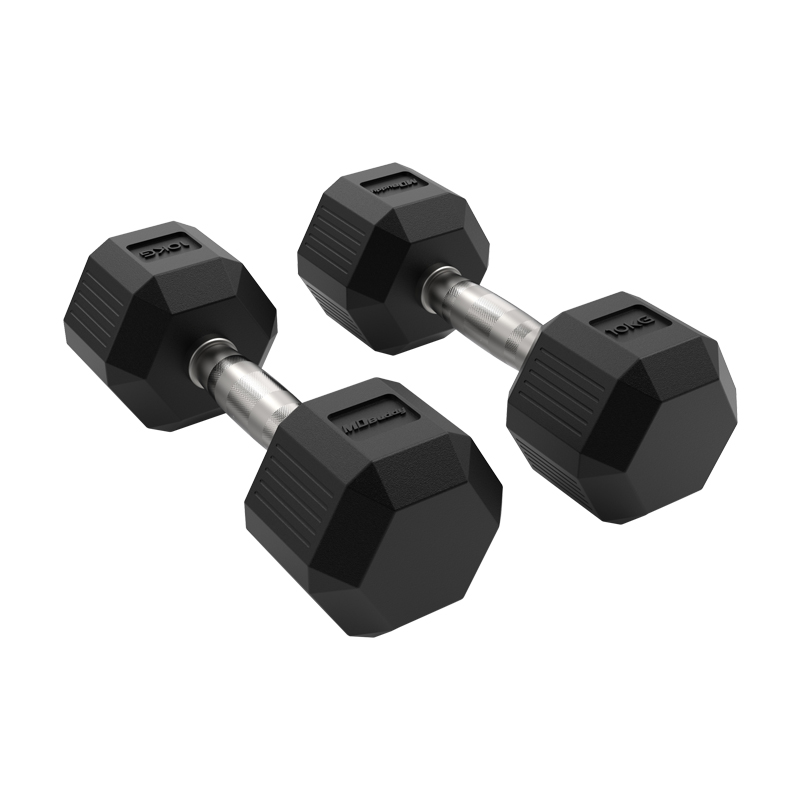
Every rubber dumbbell features a rubber-coated metal core. This layer shields floors from direct metal contact, absorbs shock, and muffles dropping noise. They continue to be a well-liked mainstay in commercial gyms, personal training studios, and general strength areas because of their strong performance and affordable price.
The Reasons Commercial Gyms Often Use Rubber Dumbbells
Absorption of impact.
When the dumbbell is placed on the floor or put back on a rack, the rubber coating provides cushioning. This is important in busy training areas where weights are handled all day.
Protection of the floor.
Rubber-coated dumbbell heads are less likely to scratch or harm floors when used regularly than bare metal dumbbells. Rubber gym floors and other protective surfaces complement them well.
Decrease of noise.
Rubber is helpful in shared indoor spaces and multipurpose fitness areas because it muffles the sound of weights being racked or placed down.
At a more affordable price.
Rubber is typically the more affordable option for a complete dumbbell set. It costs a lot to set up a free-weight area with 5–50 kg dumbbells in 2.5 kg increments; rubber helps keep the initial expense under control.
Broad fit.
Rubber dumbbells are used in functional training areas, PT studios, hotel fitness centers, and regular commercial gyms.
Things to Look for Before Purchasing
Although rubber dumbbells are designed for frequent use, they will eventually change in appearance. Expect obvious coating wear, scuffs, and scratches in high-traffic gyms.
Checking the odor is also worthwhile. Depending on the raw materials and manufacturing techniques, certain rubber formulations have a strong odor when they are first manufactured.
Inquire with suppliers about the rubber compound, coating thickness, and bonding procedure for large orders. Before confirming a large purchase, ask for a sample so you can assess the finish and smell for yourself.
Rubber quality and manufacturing craftsmanship can vary greatly among products that appear comparable on paper.
2. Urethane Dumbbells: The High-End Choice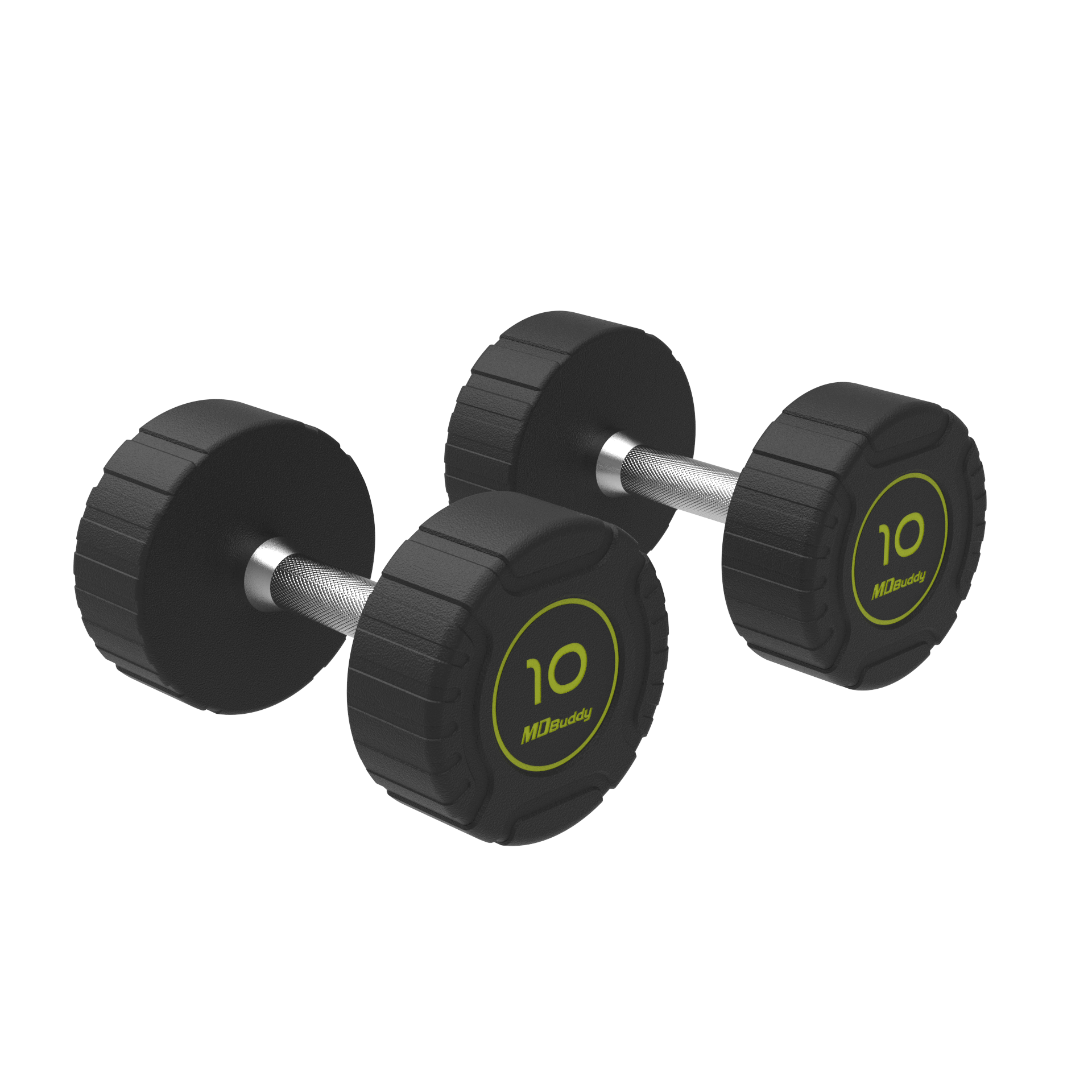
The metal core of urethane dumbbells is covered in polyurethane (PU). High-quality PU resists abrasion more effectively and keeps its surface finish longer than many traditional rubber compositions. Because of this, urethane dumbbells are frequently seen in upscale commercial gyms, hotels, boutique studios, and professional training facilities.
Why urethane is used in gyms
Increased durability of the surface.
The set maintains its appearance longer since premium PU is more resilient to everyday racking, moving, and touch than many rubber compounds.
Less smell.
Compared to many rubber-coated materials, urethane usually smells less, which is advantageous in enclosed gym areas with poor ventilation.
A more tidy and polished appearance. 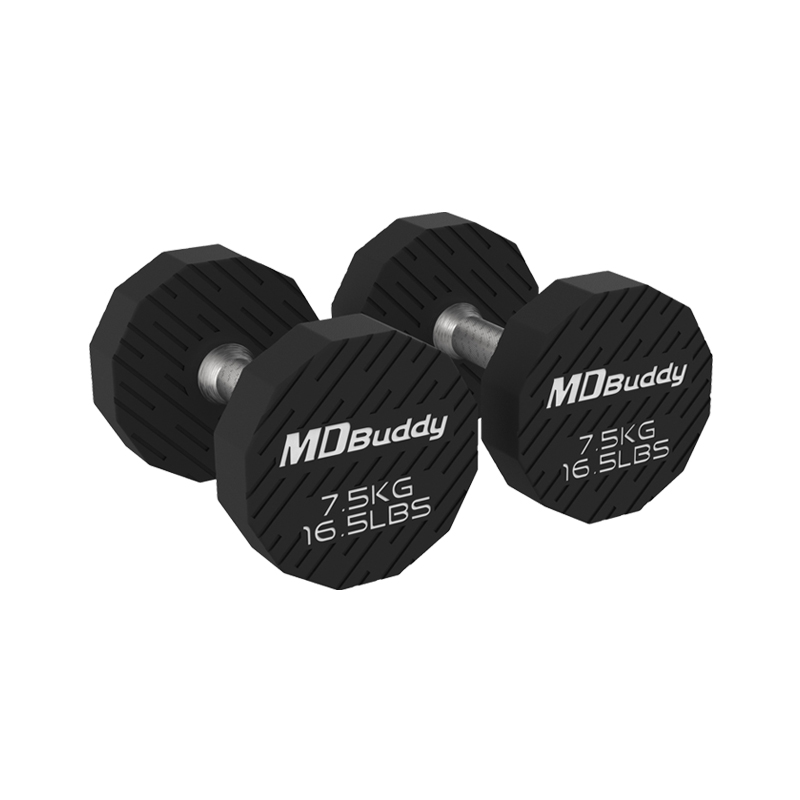
The silky finish reads as expensive. For clubs where equipment display is part of the member experience, this matters.
Uniform finish throughout the entire set.
High-quality PU helps maintain color and surface finish uniform across different weights, so the dumbbell rack looks orderly rather than mismatched.
Easy upkeep.
The smooth, sturdy surface wipes down effortlessly. Regular cleaning and correct rack storage are sufficient for routine care.
Is Urethane Worth the Extra Cost?
One of the biggest considerations when choosing between rubber and urethane dumbbells is the price. Urethane models generally cost more, and the difference becomes even more noticeable when ordering a full set for a commercial gym.
So, what do you get for the extra investment? The main benefits are better resistance to surface wear, longer-lasting appearance, and a more premium finish. However, urethane does not necessarily offer better shock absorption or greater floor protection than rubber.
For high-end fitness clubs, where equipment quality and appearance help shape the overall training experience, urethane can be a worthwhile investment. But for gyms looking to equip a larger training area while keeping costs under control, rubber dumbbells are often the more practical choice.
3. Rubber vs. Urethane Dumbbells: A Side-by-Side Comparison
Both materials have their advantages, but the differences become clearer when you look at how they perform in everyday commercial gym use. The comparison below covers the key factors buyers should consider before choosing between them.
Comparison | Rubber Dumbbells | Urethane Dumbbells |
Material | Rubber coating | Polyurethane coating |
Durability | Good | Excellent |
Abrasion Resistance | Good | Generally higher |
Impact Absorption | Good | Good |
Floor Protection | Very good | Very good |
Odor | May have a noticeable rubber smell | Generally low odor |
Appearance | Practical and functional | Premium and refined |
Maintenance | Easy | Easy |
Initial Cost | More affordable | Higher investment |
Ideal Application | General commercial gyms | Premium and high-traffic facilities |
The actual performance of a dumbbell depends on more than just the material itself. Factors such as the material formulation, coating thickness, core design, and overall manufacturing quality all play a role. That's why it's worth checking product specifications and samples before making a decision, rather than choosing based on the material name alone.
Durability and Surface Wear
Commercial gym dumbbells go through a lot of daily use. They are constantly handled, moved around, and placed back on racks, so the outer coating needs to hold up well against repeated contact and friction.
Rubber dumbbells are durable enough for most everyday training environments. However, scratches, scuffs, and signs of wear may appear over time, depending on the rubber compound, frequency of use, and how the equipment is handled.
Urethane dumbbells generally have better resistance to surface abrasion, helping them maintain a clean, attractive finish for longer. This can be an advantage in busy gyms where equipment appearance is part of the overall facility image.
For premium fitness clubs that want their equipment to look good even after years of use, urethane is a strong option. For larger training facilities where practicality and overall purchasing cost matter more, rubber dumbbells can handle the job well.
Floor Protection and Noise
Rubber and urethane dumbbells both provide a layer of protection between the metal weight and the gym floor. Their coatings also help reduce noise when dumbbells are placed down after a set, making them more suitable for indoor training environments.
That said, neither material is designed to withstand every impact. Dropping heavy dumbbells from a considerable height can still damage the flooring, regardless of the coating. The type of gym floor, how the equipment is used, and the way members handle the weights all make a difference.
For commercial gyms, choosing the right dumbbells is only part of the equation. Proper gym flooring is equally important for protecting the training area and managing noise.
Odor and Maintenance
The smell of rubber dumbbells is another factor worth considering, particularly when purchasing equipment for an enclosed training space. Some rubber products have a noticeable odor when new, although this can vary depending on the raw materials, rubber formulation, and manufacturing process.
Urethane dumbbells generally have less noticeable odor, making them a good option for boutique fitness studios, hotel gyms, and other indoor facilities where ventilation may be limited.
In terms of daily care, neither material requires complicated maintenance. Keeping the dumbbells clean, storing them properly on racks, and checking them regularly for signs of damage will help extend their service life.
Initial Cost and Long-Term Value
Budget is often a major consideration when purchasing dumbbells for a commercial facility. Rubber dumbbells usually come at a lower price, which makes them a practical choice for gyms ordering complete weight sets or equipping multiple training areas.
Urethane dumbbells cost more upfront, but their resistance to surface wear can help them maintain a better appearance over time, especially in facilities with heavy daily usage.
Before making a decision, look beyond the initial purchase price. Consider how often the equipment will be used, the expected service life, potential maintenance or replacement costs, and whether the appearance of your equipment plays an important role in your business. These factors will give you a better idea of which option offers greater value in the long run.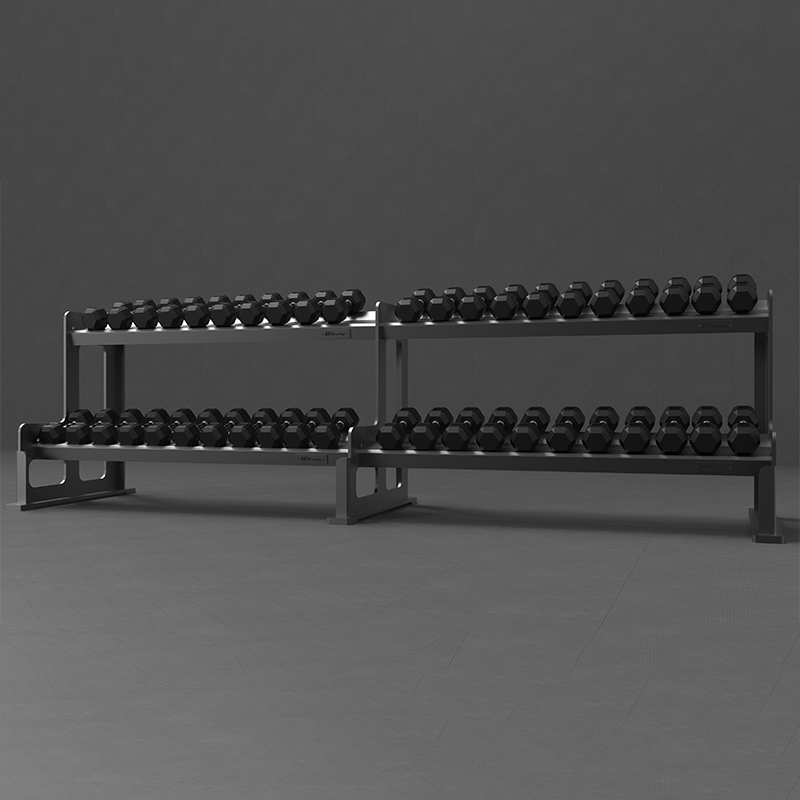
4. Which Dumbbells Are Best for Your Business?
There is no single answer when it comes to choosing between rubber and urethane dumbbells. The right option depends on the type of facility, its budget, how frequently the equipment will be used, and what customers expect from the products.
Let's look at some common business scenarios and which material may be a better fit for each.
General Commercial Gyms: Rubber Dumbbells
For most commercial gyms, rubber dumbbells offer a good balance between durability and cost. They can handle regular strength training, personal training sessions, and a variety of general fitness programs.
Another advantage is their lower purchase cost. When a gym needs a complete dumbbell set covering multiple weight ranges, rubber models make it easier to equip the facility without stretching the budget too far.
Premium Clubs and Boutique Studios: Urethane Dumbbells
In premium fitness clubs and boutique studios, equipment quality is about more than functionality. The overall look and feel of the training space also matter.
Urethane dumbbells have a smooth, refined finish and generally hold up better against surface wear. They are particularly suitable for facilities that want to maintain a consistent, high-end appearance even with frequent daily use.
Hotels and Corporate Fitness Centers: Match the Equipment to Your Budget
Hotel gyms and corporate fitness centers often have different equipment requirements from full-scale commercial gyms. Their available space, expected usage, and purchasing budgets can vary considerably.
Rubber dumbbells are a sensible choice when keeping equipment costs under control is the priority. For facilities that place greater emphasis on appearance and a lower initial odor, urethane may be worth considering.
Strength and Conditioning Facilities: Focus on Training Demands
Strength and conditioning facilities typically put their equipment through demanding training sessions. Before choosing a material, consider the expected training intensity, daily usage, available weight range, and storage setup.
Both rubber and urethane dumbbells can work in these environments. What matters most is the quality of the construction and whether the products are designed to withstand the demands of regular training.
Fitness Equipment Distributors and Brands: Think About Product Positioning
For distributors and fitness brands, choosing between rubber and urethane is also a business decision. Target customers, market positioning, selling prices, and inventory investment all influence which products make sense to stock.
Rubber dumbbells are often a good starting point for distributors serving the general commercial fitness market. Their competitive pricing and broad appeal make it easier to offer a complete range of weights at different price points.
Urethane dumbbells, on the other hand, provide an opportunity to develop a higher-end product range. They are particularly appealing to customers looking for a more refined finish and better resistance to surface wear.
For brands planning to develop their own dumbbell collections, product customization is another factor to consider. Working directly with a manufacturer can open up options for custom logos, colors, weight specifications, and packaging. Discussing these details early in the process also helps ensure that the final products match your target market and purchasing requirements.
5. What to Consider Before Ordering Commercial Dumbbells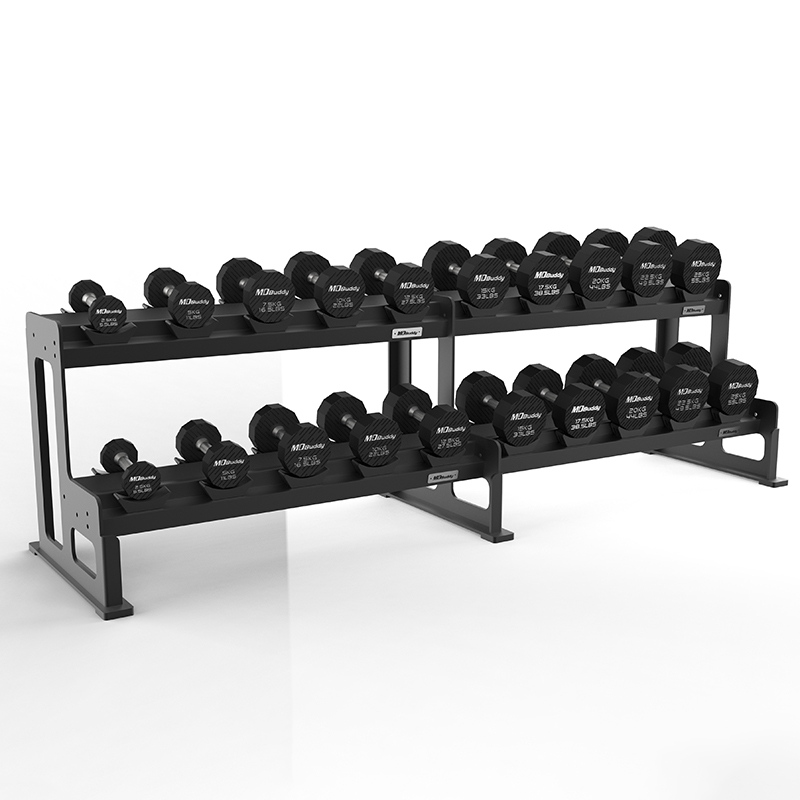
Choosing between rubber and urethane is only one part of the buying process. There are several other details worth checking before placing an order, particularly when purchasing dumbbells for a commercial gym or wholesale distribution.
Whether you're setting up a new fitness facility, expanding your product range, or developing your own fitness brand, the following factors can help you make a more informed purchasing decision.
Weight Range and Increments
Start by thinking about who will be using the dumbbells and what types of training they are intended for.
A commercial dumbbell set should cover a suitable range of weights, with increments that give users enough flexibility to progress as their strength improves. The right selection will depend on the facility's training programs and customer base.
For distributors, it's also worth looking at which weight options sell best in the target market. Stocking the right specifications can help meet customer demand without tying up too much capital in slow-moving inventory.
Handle Design and Grip
Handle design can make a noticeable difference during training. A comfortable grip helps users maintain control of the dumbbells, particularly when performing heavier lifts or exercises with higher repetitions.
Most commercial dumbbells feature knurled handles to provide additional grip. However, the details matter. Handle diameter, overall length, knurling pattern, and surface finish can all affect how the dumbbell feels in the hand.
If possible, try a sample before ordering in bulk. This gives you a better idea of whether the handle design suits your intended users.
Dumbbell Head Shape and Construction
The shape of the dumbbell head affects both its appearance and how it works in a training space.
Hex dumbbells are a popular choice for commercial gyms because their flat sides help prevent them from rolling when placed on the floor. Round dumbbells offer a more traditional appearance and are commonly used in different commercial and premium product ranges.
Beyond the shape, pay attention to how the heads are connected to the handle. The coating should also be evenly applied, with no obvious defects or inconsistencies between individual dumbbells.
Storage and Space Planning
Dumbbell storage is easy to overlook during the purchasing process, but it has a direct impact on how efficiently a gym operates.
A properly sized rack keeps weights organized, makes them easier to access, and helps prevent equipment from being left scattered across the training floor.
Before placing an order, check the available space, rack dimensions, storage capacity, and the number of weight pairs you plan to purchase. If you're equipping an entire gym, ordering dumbbells and compatible storage racks together can also make product matching and space planning much easier.
Manufacturer Experience and Quality Control
For commercial buyers and distributors, the manufacturer's production capabilities deserve just as much attention as the product itself. Consistent quality across a complete dumbbell set is particularly important when ordering in large quantities or building a long-term product range.
Before choosing a supplier, it's worth discussing the following points:
· Material consistency: Are the raw materials and coating specifications consistent from one production batch to another?
· Weight accuracy: Does the manufacturer check finished products to ensure they meet the agreed weight specifications and tolerances?
· Surface finish: Is the coating evenly applied, with consistent thickness and no visible defects?
· Logo and branding: Can the supplier accommodate your logo, color preferences, and other branding requirements?
· Packaging: Is the packaging strong enough to protect the products during long-distance transportation and bulk shipment?
· Sample evaluation: Can you review and test product samples before approving mass production?
A reliable manufacturer should be able to provide clear information about its production methods, inspection standards, and customization capabilities. It's also worth asking whether inspection records and shipment documentation are available.
For distributors and fitness brands, these details become even more important when developing a product range under their own name. Working with a manufacturer that can maintain consistent quality and support future orders makes it easier to build a stable supply relationship as your business grows.
6. FAQ
Are urethane dumbbells better than rubber dumbbells?
Not in every situation. Urethane dumbbells generally provide better resistance to surface wear, produce less noticeable odor, and maintain their appearance longer. Rubber dumbbells are more budget-friendly and work well for most everyday commercial training needs.
The right choice comes down to how the equipment will be used, your purchasing budget, and the expectations of your customers.
Do rubber dumbbells have a noticeable smell?
Some rubber dumbbells have a rubber-like smell when they are first unpacked. How noticeable it is depends on the materials used, the rubber formulation, and the manufacturing process.
If odor is an important consideration for your facility, ask the manufacturer about the material specifications and request a sample to evaluate before placing a bulk order.
Are urethane dumbbells worth the higher price?
They can be, particularly for premium fitness clubs, boutique studios, and facilities where equipment is used frequently and its appearance needs to be maintained over time.
For general commercial gyms that need to equip a larger training area, rubber dumbbells are often a more cost-effective option.
Can rubber and urethane dumbbells be customized?
Yes, although the available options vary by product model, manufacturing process, and order quantity.
Depending on the product and MOQ, manufacturers may offer custom logos, colors, and packaging. If you're developing your own fitness brand, it's a good idea to discuss these requirements early so that the design, specifications, and production arrangements can be confirmed before ordering.
What should I check before placing a bulk order with a dumbbell manufacturer?
Start with the basic product details, including weight specifications, acceptable weight tolerances, coating materials, and overall construction quality.
It's also important to understand the supplier's production lead time, packaging arrangements, and quality inspection procedures. If you're purchasing under your own brand, confirm the available logo and packaging options as well.
Requesting samples and checking whether the manufacturer can provide inspection reports and container loading records can also give you a clearer picture of what to expect before shipment.
7. Final Thoughts: Rubber or Urethane Dumbbells?
Choosing between rubber and urethane dumbbells isn't simply a matter of deciding which material is better. It depends on what your business needs from its equipment.
Rubber dumbbells are a reliable and economical option for most commercial gyms. They cover everyday strength training requirements and make it easier to build a complete weight range without a large upfront investment.
Urethane dumbbells are a better fit for businesses that place greater value on surface durability, appearance, and a more premium product finish. This makes them particularly appealing to high-end fitness clubs and boutique training facilities.
There is also no need to stick to just one material. Some facilities choose rubber dumbbells for their general training areas while using urethane models in premium spaces. This gives them more flexibility when managing equipment budgets and different customer expectations.
Ultimately, the best choice is the one that fits your training environment, target customers, and long-term purchasing plans.
Looking for a Commercial Dumbbell Manufacturer?
Finding the right dumbbell supplier involves more than comparing product prices. Consistent manufacturing quality, customization capabilities, and reliable order support all matter, especially when you're sourcing equipment in bulk or building your own fitness brand.
With 19 years of fitness equipment manufacturing experience and customers in more than 50 countries, MDBuddy works with commercial gyms, distributors, and fitness brands to supply strength training equipment for different markets and business needs.
Whether you're looking for standard rubber dumbbells, premium urethane dumbbells, or a customized product range, we offer manufacturing and OEM/ODM support to help bring your requirements into production.
Here's how we can support your business:
· Custom Branding: Add your logo and choose product colors and packaging to create a consistent brand identity.
· OEM/ODM Services: Get support with product design, development, and customization based on your specifications.
· Quality Inspection: Receive product inspection reports for a clearer understanding of quality before shipment.
· Container Loading Reports: Review loading photos and reports to keep track of your shipment preparation.
We also welcome distributors and fitness brands looking to expand their existing product ranges or develop new strength training collections.
Have a product in mind or planning your next bulk order?
Get in touch with MDBuddy to discuss your requirements, explore customization options, and find the right manufacturing solution for your business.
